
Unit 1: Understanding Trauma
IN THIS LESSON
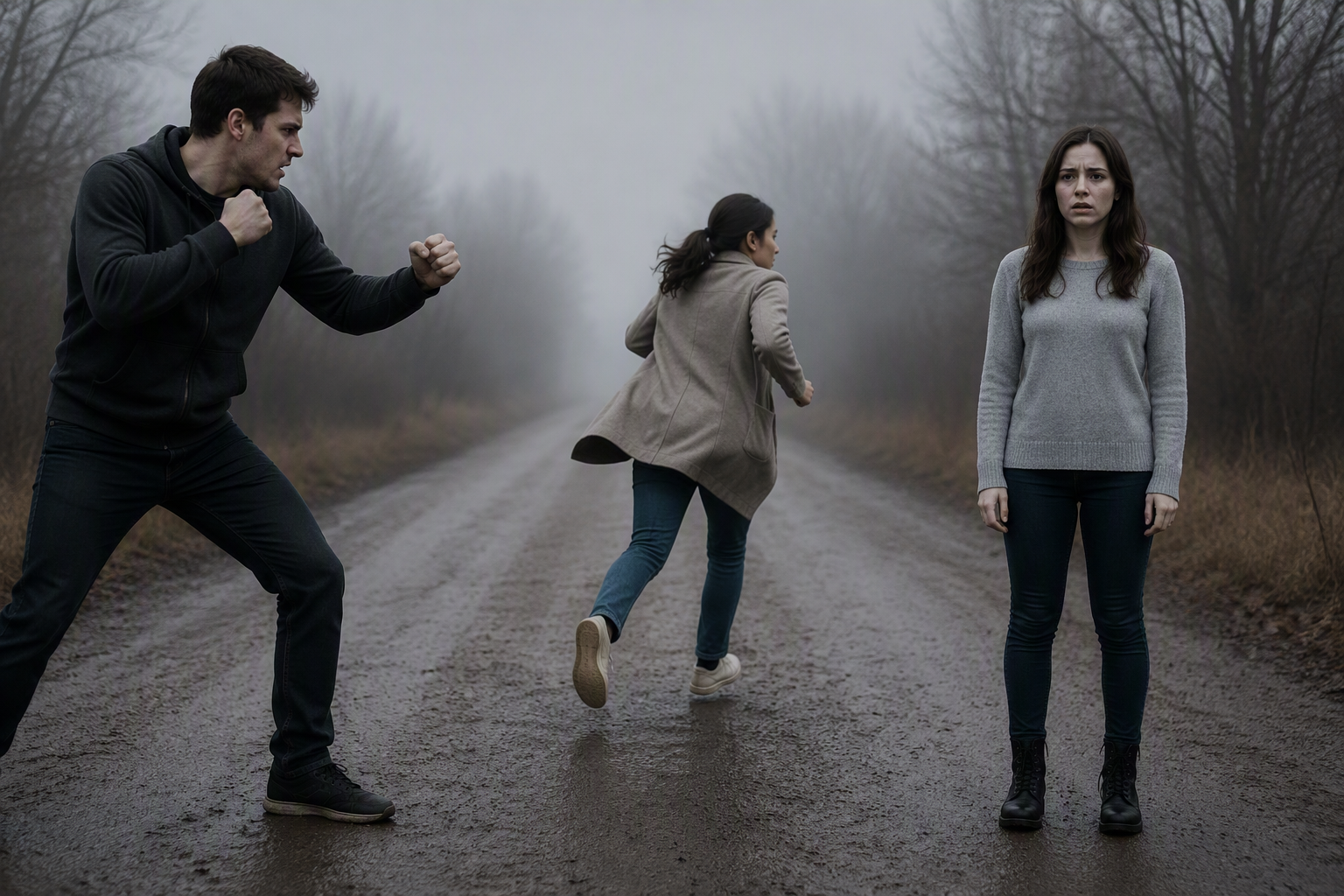
Trauma triggers cause sufferers to respond in one of three ways: fight, flight, or freeze.
This brain response is intended to protect you.
People respond to a trigger in one of three ways: fighting back (fight), running from it (flight), or shutting down (freeze).
This happens in the part of your brain that manages your emotions (the Limbic System), a different part of the brain from where your rational thinking and decision-making happens (Prefrontal cortex). When triggered, these parts of the brain act differently. The latter shuts down, allowing a third part of your brain (your brainstem) —the one that handles survival functions—to take charge. This opens the door for your fight/flight/freeze response.
The freeze happens when your body feels like it can neither fight nor run. You feel frozen and stripped of control. It’s this perception of immobility that is the traumatic part. Biologically, your parasympathetic nervous system kickstarts. Your heart rate and breathing slow down, you may feel numb and detached. You might disassociate and lose your sense of self.
Your body freezes to protect itself; however, if you stay in this frozen state for too long, detriments occur. It becomes difficult, if not impossible, to find sustained joy and contentment. A disconnect creates a wedge in relationships. You can feel burned out in social situations and at work.
And that can be frustrating. You KNOW that the trauma has long ended—your rational-thinking part of your brain understands that. But it can’t override the other portions of the brain. These survival-first brain sections can’t see that the traumatic event is over, and any trigger can restart the chain reaction.
Sounds hopeless, huh? The good news is that we can retrain our brains.
Time to Reflect
Question 1: Fight, flight, or freeze: In which way is your body most prone to reacting when triggered?
Question 2: What do you feel physically and emotionally when this happens?