
Unit 1: Understanding Trauma
IN THIS LESSON
Many trauma survivors attempt to mask trauma’s effects by choosing poor or damaging coping mechanisms.
Many who partake in such coping mechanisms don’t do it intentionally but are simply seeking a survival strategy that gets them through.
Trauma survivors desperately want a reprieve from the physical and emotional pain they feel from post-traumatic episodes.
This goes back to our brain’s quest for safety, security, and survival as our nervous system screams “overload!”
That strong need can lead us down unhealthy pathways that can reinforce our symptoms, delay our healing, or create new problems. Nevertheless, the desire for short-term relief and the sense of safety it brings makes them desirable. Partaking isn’t a sign of weakness but rather the mind looking for a survival strategy that works.
Here are some better-known unhealthy coping mechanisms to look out for:
Withdrawing: Some cope by isolating themselves from others or avoiding reminders of their trauma. This prevents them from processing their emotions and can increase their feeling of loneliness.
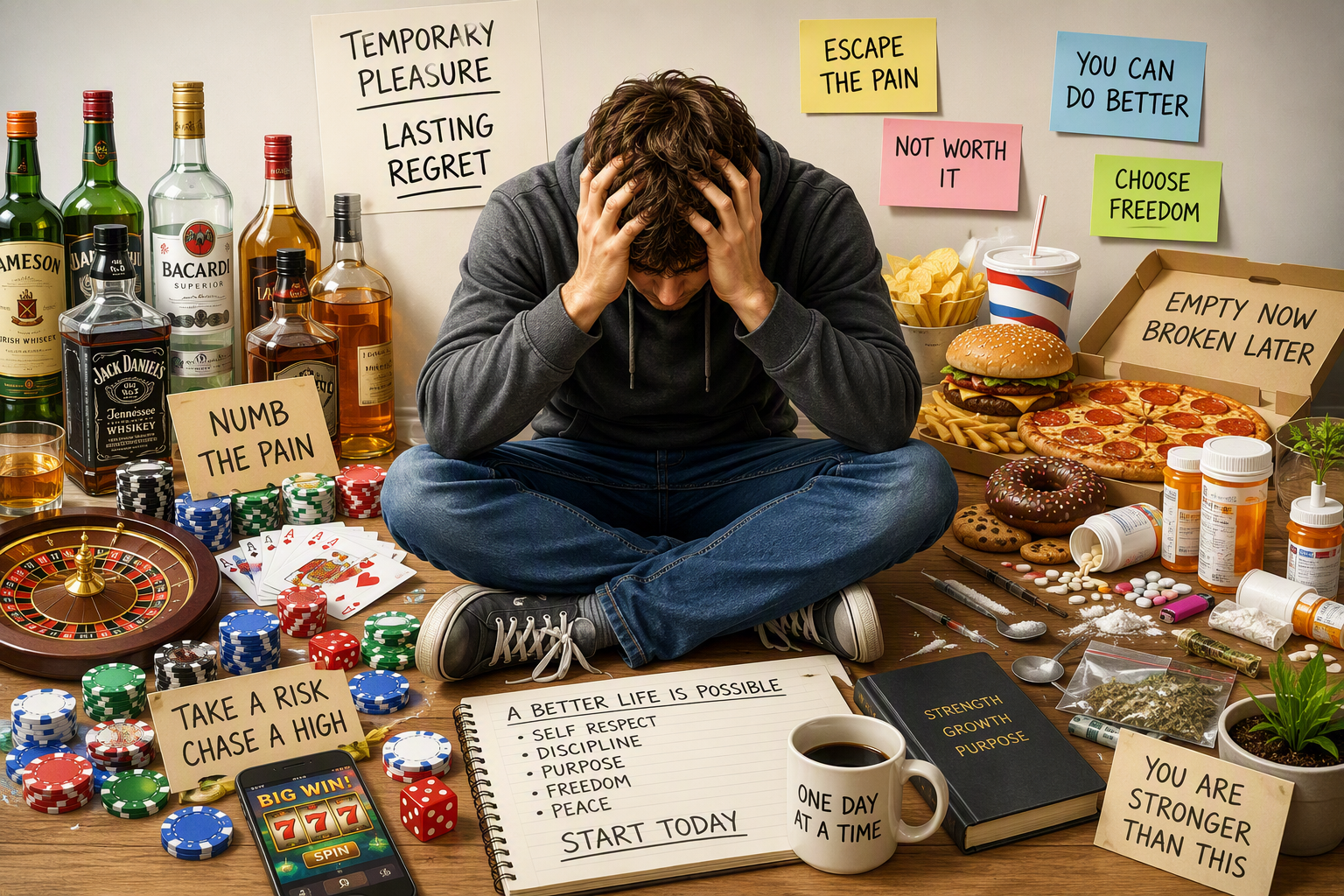
Substance abuse: Using substances like alcohol, drugs, food, sex, gambling, etc. to numb the pain and push away painful memories. This can lead to addition/dependency, aggravate depression or anxiety, and negatively affect physical health.
Negative self-talk: Turning inward by blaming, shaming or guilting ourselves for the trauma. These lower our self-worth and accelerate depression.
Outbursts: Lashing out at others to release pent-up emotions. Doing so strains and erodes relationships. It reinforces isolation and, later, fills us with shame and regret.
Risk-taking: Some cope by participating in dangerous or high-risk activities as a distraction.
Self-numbing: Shoving our feelings deep down and pretending we are ok. This prevents the person from rediscovering their authentic selves, finding peace and lasting joy.
Many who resort to coping mechanisms use more than one at a time. It becomes an unhealthy cocktail that acts as a barrier to true, lasting relief. Realizing you are coping in one or more of these ways is the first step to stopping. Professional counseling and support from trusted friends and family can help.
Time to Reflect
Question 1: Review the various coping methods above. Which resonate with you?
Question 2: Why do you think so many find it difficult to break free from an unhealthy coping method?