
Unit 2: Managing Trauma
IN THIS LESSON
Having a pet can bring numerous benefits to a trauma survivor.
Pets reduce stress, prevent feelings of isolation, and practice safe attachment.
Many trauma survivors turn to pets to aid them in their recovery journey. Pets provide emotional support, psychological, physical, and somatic benefits, and relational healing.
Pets provide unconditional love without judgement. Our pets don’t reject us, even on our worst days.
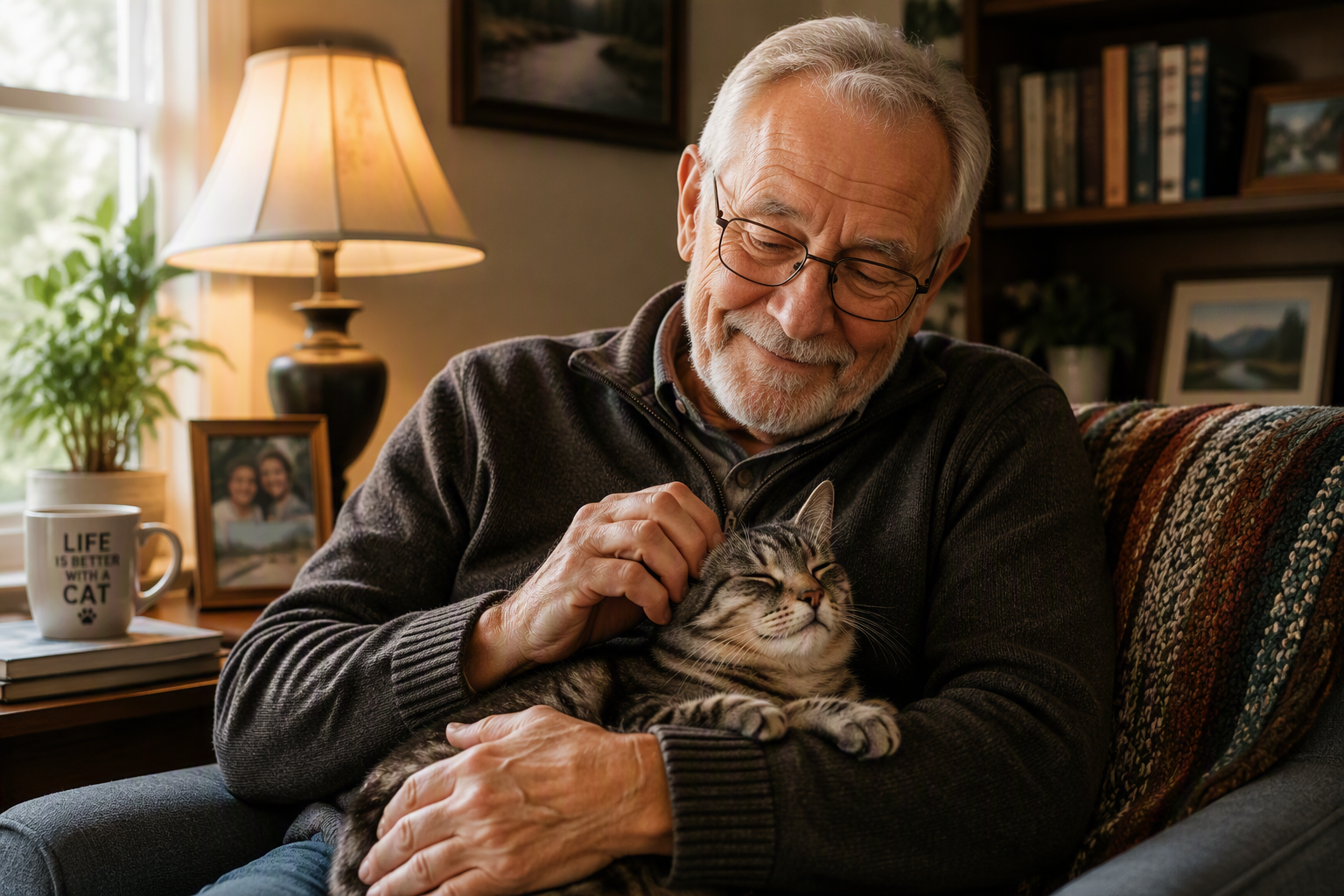
Pets can calm us simply by their presence. Did you know that the act of stroking a dog or cat increases oxytocin, known as the bonding hormone?
Pets help ground us in the present when we pet them, hear and see them, and by giving us a routine.
Pets help prevent trauma survivors from feeling isolated.
Pets reduce stress, they promote exercise, and they allow us to practice safe attachment.
Pets act as living support systems who anchor us to the present and help rebuild trust and connection. If you don’t already have a pet, consider obtaining a furry companion to have by your side as you continue your post-trauma journey.
I asked Microsoft Copilot to create a Pet-themed healing toolkit. Here’s what it provided:
Daily Practices
Morning Grounding: Spend 5 minutes petting or cuddling your animal to start the day calmly.
Movement Together: Walk your dog, play with your cat, or engage in gentle activity to boost energy.
Mindful Moments: Notice your pet’s breathing, warmth, or textures as a sensory anchor.
Weekly Practices
Routine Care Rituals: Grooming, feeding, or cleaning as acts of nurturing that reinforce stability.
Play Therapy: Set aside time for fun interaction—throwing a ball, chasing a toy, or teaching tricks.
Connection Check-In: Reflect on how your pet helps you feel safe, loved, or present.
Time to Reflect
Question 1: Think about a current or previous pet you’ve had. What aspects of having a pet did you most enjoy?
Question 2: How could a pet add value to your trauma recovery?