
Unit 2: Managing Trauma
IN THIS LESSON
In most cases, the effects of trauma triggers affect more than just the trauma survivor.
There are several things to consider when talking it out with your partner.
Coming back to relationships, I want to share some helpful tactics for those couples in which at least one of them has experienced trauma.
While many of these techniques work for all couples, for those in post-trauma relationships, sensitivity is often dialed up x 10.
For both parties in a relationship, you’ll need to accept that the relationship isn’t where either of you want it to be. Oftentimes, this topic itself becomes an argument as the trauma survivor is put on the defensive. Make sure you’re using supportive language when having the conversation.
Expounding on that, attack the problem, not the person. As a loved one, be honest with what you’re getting or not getting, but remember that the survivor is not the problem, the after-effect of trauma is.
Trauma survivor: Just as we keep an eye on the fuel gauge while driving, do the same with your own emotional tank. If you’re feeling like you’re low on gas, share that with your partner. Communicating where you’re at emotionally will help them understand that it’s “you” and not “them”. They’ll be more likely to give you the time you need to refuel and be ready to meet their needs.
Here are some additional tips to help those in relationships navigate the post-trauma journey.
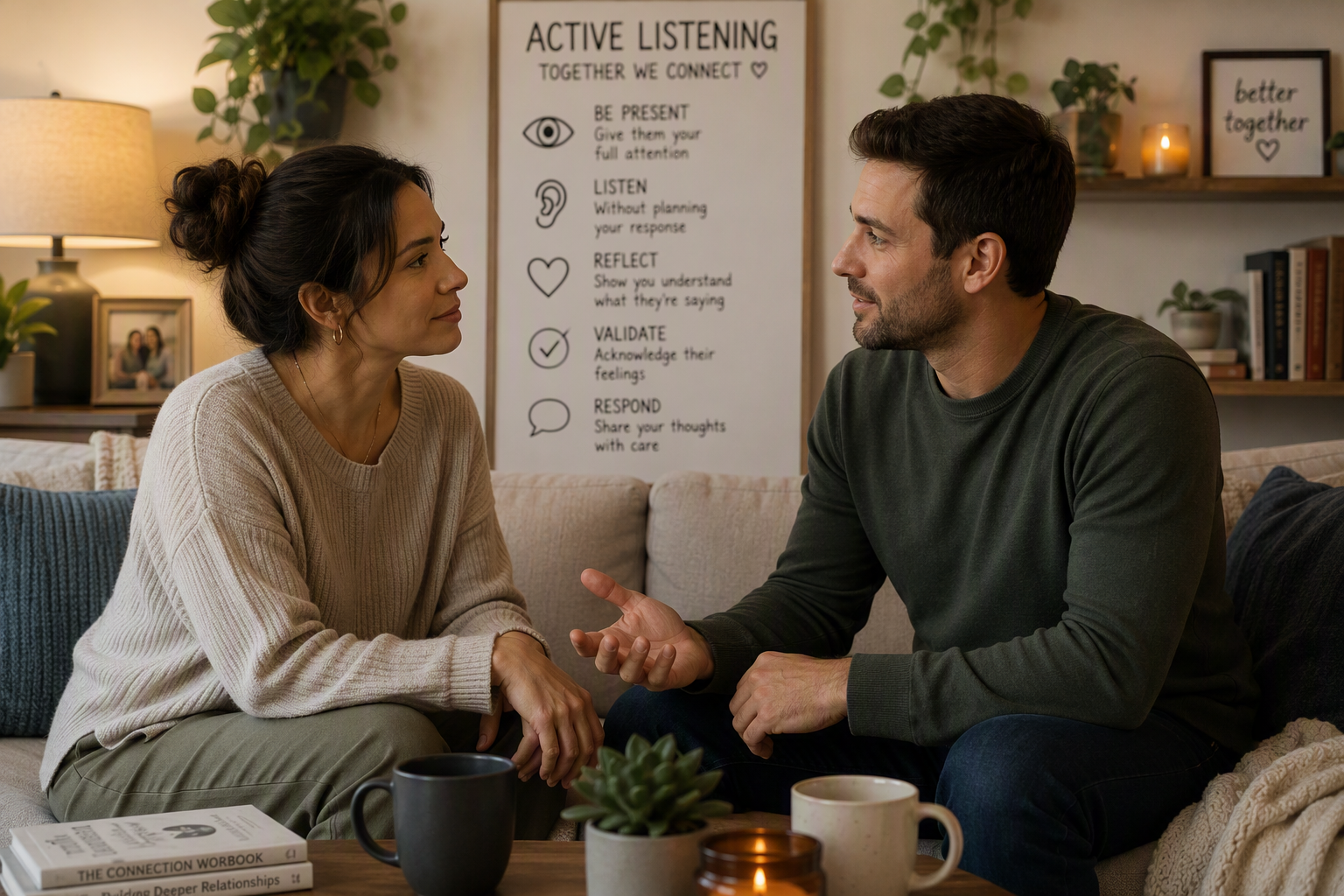
Practice active listening: Be present and give your full attention to what your partner is saying. Repeat what you heard. Resist the urge to jump ahead of your partner in the conversation to rebut or to fix the problem.
Use “I” statements: Express your feelings without pointing fingers. For example, “I feel hurt when…”
Create safe places: Agree on calming routines or physical locations you can both retreat to where you both feel safe and secure.
Check In Often: Sincerely ask your partner how they are feeling in a way that nurture a feeling of safety and trust.
Respect Triggers: Share what triggers you with your partner so they can try to avoid situations that can create triggers. Personal note: I’ve seen situations where partners feel like they must walk on eggshells to simply not trigger their partner. That becomes exhausting and can irreversibly destroy a relationship. Asking for understanding also requires giving understanding.
Don’t Hurry to Fix Everything: You’re undergoing a rebuild in many facets of your life at the same. That takes time. Give grace and have patience. Remember, the recovery journey isn’t linear.
Have patience and empathy: Remember why you entered into the relationship and what makes the other person special to you. Doing so can help provide extra tolerance during moments when needs aren’t being met.
Make Time to Share and Play: Engage in activities together that you both find relaxing and enjoyable
Seek Professional Help: You don’t know what you don’t know. That’s why professionally trained counselors are terrific tools to help provide context and guidance. While counseling is all but imperative for a trauma survivor, going to counseling as a couple shows commitment and a willingness from both to fight for the relationship.
Committing to open communication and respecting boundaries goes a long way toward establishing and growing success in any relationship, especially one affected by trauma. Maintain focus on these two aspects and you can expect positive results.
Time to Reflect
Question 1: What do you most want your partner to understand about how you feel?
Question 2: List three activities that you and your partner enjoy doing together.
Question 3: What common characteristics of successful relationships do you notice in the best practices listed above?