
Unit 1: Understanding Trauma
IN THIS LESSON
Anger is a signal. Pay attention to it before you react to it.
It might sound counter-intuitive, but anger has other positive qualities.
Anger is one of the more misunderstood emotions for trauma survivors.
As a common trigger reaction, it can come out of nowhere—surprising not just those around the survivor but survivors themselves. So why does anger seem to thrive in a post-trauma environment?
Anger is complex and dynamic. It can appear for different reasons. Let’s look at how it may show up:
Triggers can prompt a fight/flight/freeze response in a trauma survivor. If you’re stuck in “fight” mode, anger has found a haven.
Trauma survivors often feel extremely hurt or wounded. Anger can appear to express pain.
A trigger event can make us feel weak and powerless. A triggered trauma survivor may use anger to feel strong. It throws up a wall between us and the stimulus.
Anger can be used to tell others to beware because we feel triggered, unsafe, or disrespected. It’s a response seen not only in humans but animals, too. You’ve seen those nature documentaries. We’re not that far removed from chimpanzees!
Well, that doesn’t sound so great. Anger, however, can provide positives. What??
Feeling anger can validate your experience. It can be healthy to be able to feel anger in that it can show you that what you went through was important and matters. An angry reaction can also jolt you into seeing that you need to change your course. Yes, there can be a place for anger that doesn’t equate with destruction.
Yes, anger can show itself in many ways. Be careful with how you direct your anger. Misplacing your anger and launching it onto others will create damage to those bonds. Over time, this erosion can be fatal to relationships with loved ones, including family members, friends, co-workers, you name it. Be mindful when anger arises. Notice its presence, determine why it is showing itself, and work on regulating your emotions.
Anger is more than just an emotion; it’s also a signal. Understanding your anger can help you build resilience and accelerate your recovery.
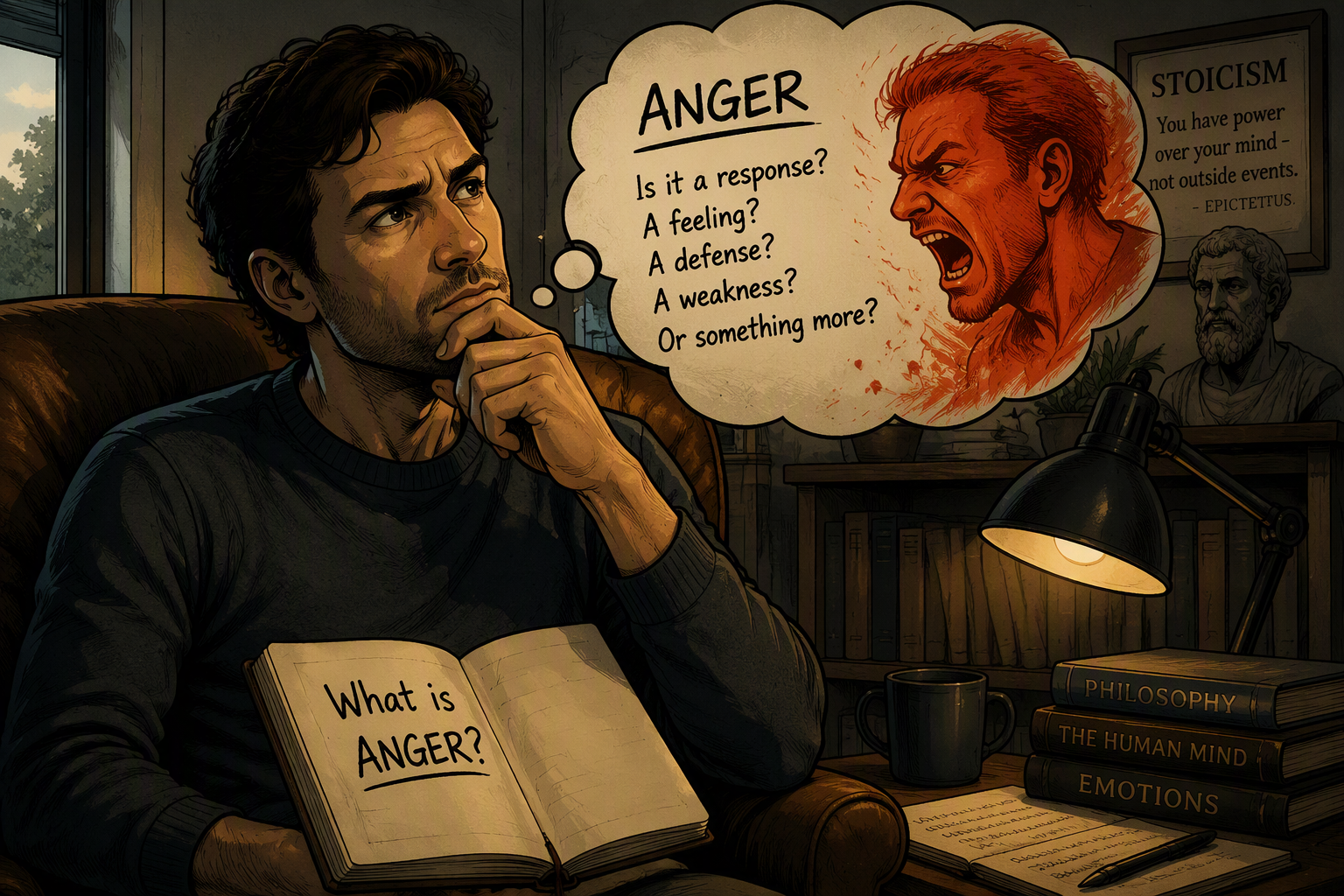
Time to Reflect
Question 1: Think about the last time you responded angrily to a trigger. How did you react? Where did that anger come from?
Question 2: How could you use anger in a healthy way?