
Unit 1: Understanding Trauma
IN THIS LESSON
Unresolved trauma triggers can and will affect every relationship to some degree.
Knowing how trauma can affect relationships allows you to be more aware of your own triggers’ potential for damage.
I’ve mentioned it briefly, but I want to specifically speak to how trauma affects relationships.
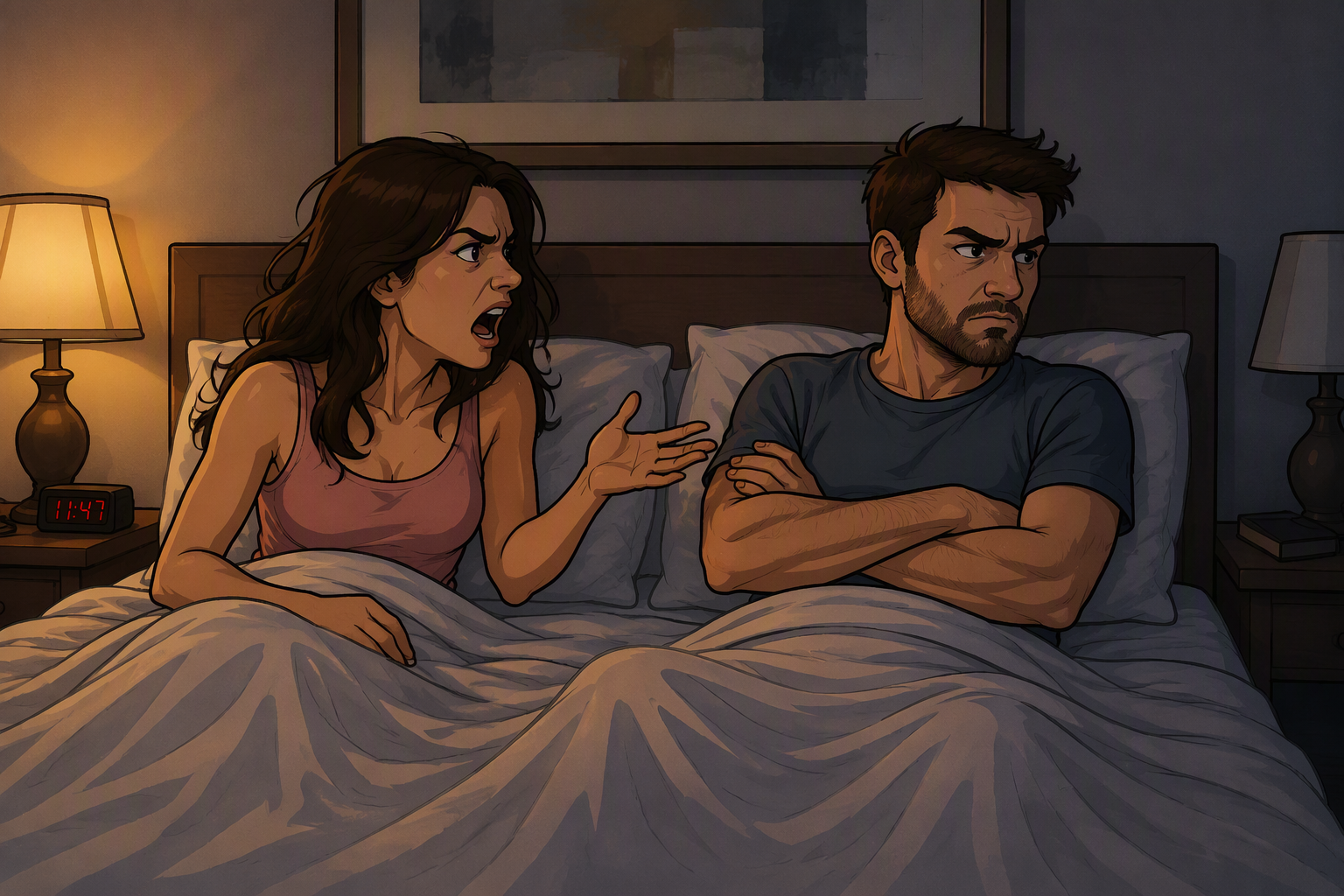
It’s likely that the reason you’ve come to this guide is because you’ve seen first-hand the detriments your reactions to trauma triggers have caused to relationships with loved ones.
For many, trauma’s effects include difficulties with trust. You felt safe just seconds before the traumatic event occurred. The trauma dashed that trust in safety to pieces. Being asked to return to that pre-trauma level of trust in ANYTHING can seem like a deal-breaker. Unfortunately, we live in a world that relies on a certain level of trust for relationships to stabilize and grow. When the trauma and its subsequent triggers repeatedly throw hand grenades into that relationship, well, it can’t help but sustain damage.
When I speak of relationships, I’m not just talking about husbands/wives or girlfriends/boyfriends. This affects ALL relationships to a degree: children, other relatives, friends, co-workers, bosses—everyone. However, you’ll feel the damage most with those in your closest circle because you’ll feel most comfortable or justified reacting unfiltered with them when you’re triggered.
Here are some common ways trauma impacts relationships:
Trust issues: As mentioned above, trauma survivors can find it difficult to trust others. As irrational as it might sound, our survival brain fears us being hurt or betrayed and we react accordingly.
Emotional numbness: We can shut down emotionally to protect ourselves.
Overreaction: In contrast to shutting down, some might react strongly to a perceived threat.
Intimacy issues: Trauma survivors can find it challenging to feel safe in close relationships. This, in turn, can cause them to avoid physical or sexual touch, or emotional attachment.
Repeating unhealthy patterns: By ignoring trauma recovery work, we can find ourselves susceptible to other unhealthy life choices.
Low sense of worth: We might feel like we aren’t worthy of love. According to “Psychology Today,” that can lead to self-sabotage or remaining in toxic relationships.
Communication struggles: Trauma survivors can find it difficult to clearly express their needs or misinterpret their partner’s words, according to the publication “Verywell Mind.”
Trauma doesn’t just affect our mind and body; it snakes its tentacles into our connections with others. Recognizing this is a huge step toward better understanding our trauma and gives us motivation to begin working on managing it in a productive and healthy way.
Time to Reflect
Question 1: From the list above, which ways have you seen trauma impact your relationships?
Question 2: What are other ways that trauma can negatively impact connections with others?